Understanding the Basics of Radiofrequency Microneedling
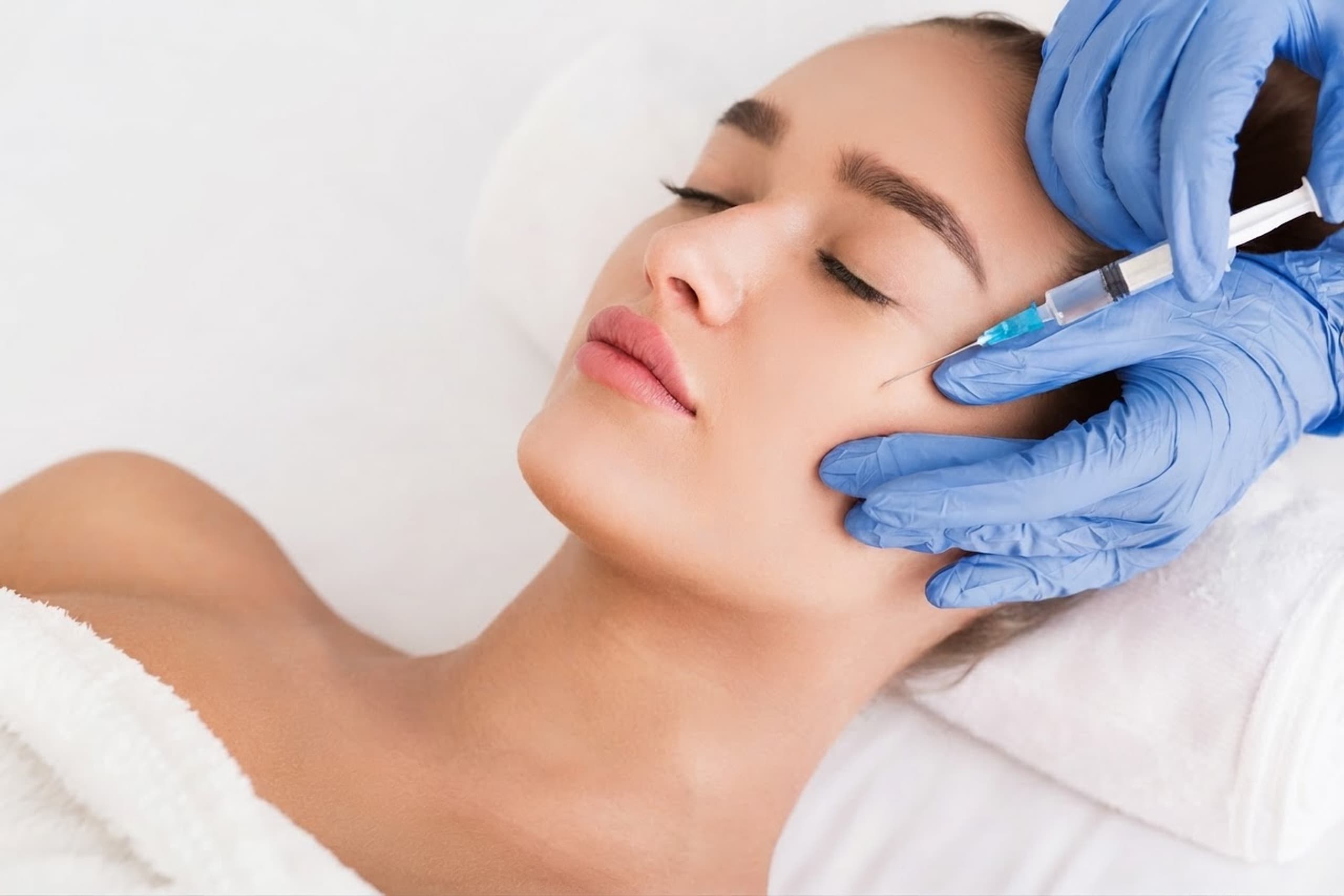
RF microneedling, also called radiofrequency microneedling, uses radiofrequency energy to refresh your skin. It’s commonly used to improve skin texture, treat scars (including acne scars), and tighten sagging skin.
RF microneedling can make a more youthful appearance by helping your cells regenerate and improving skin tone and texture.
Understanding the Basics of Radiofrequency Microneedling
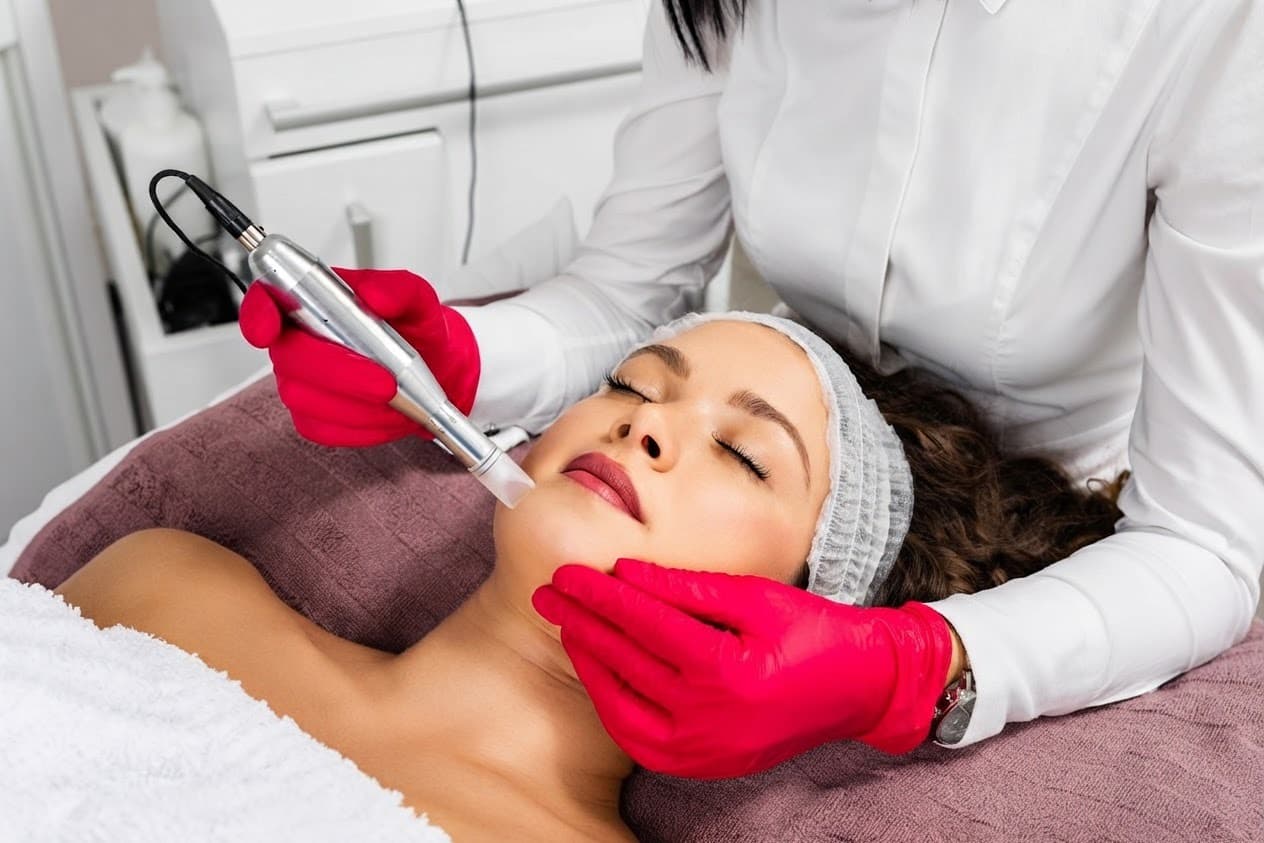
Before microneedling treatment, there are a few essential steps to prepare.
- First, talk to a doctor or skincare expert to see if RF microneedling suits you. This is especially important if you have medical issues or take medications.
- They will assess your skin type and discuss your treatment goals to ensure the best possible outcome.
- It's also essential to avoid sun exposure and tanning beds in the weeks leading up to your treatment, as this can increase the risk of complications and interfere with the healing process.
- Also, tell your provider if you've had cold sores before. They might give you antiviral medicine to stop outbreaks.
- Lastly, follow any instructions your provider gives you before treatment. This might mean not using certain skincare products or medications that can make bruising more likely.
Before microneedling treatment, there are a few essential steps to prepare.
The Microneedling Treatment Process
The Radiofrequency microneedling treatment process is straightforward and effective for addressing various skin concerns, including acne scars and skin tightening.
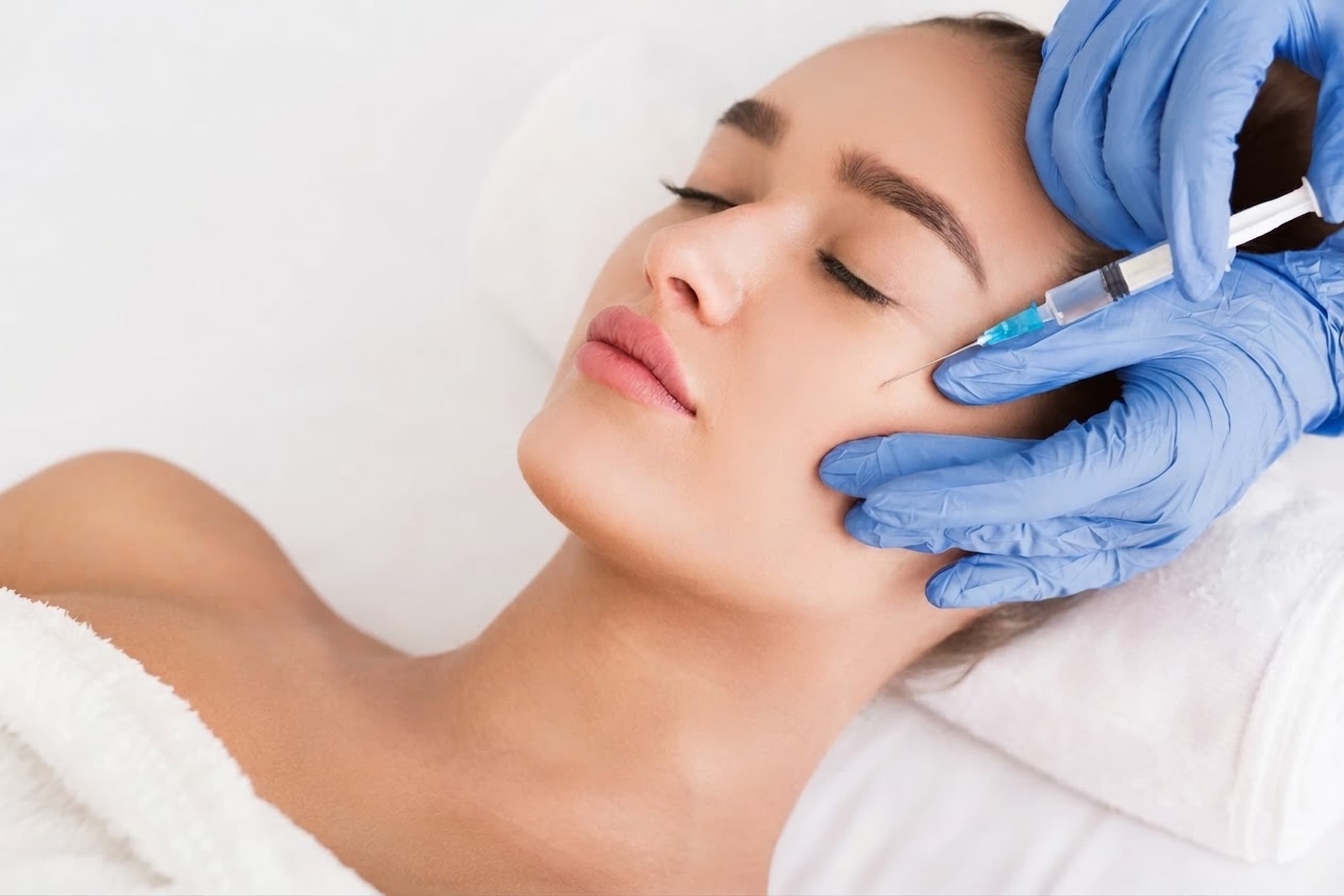
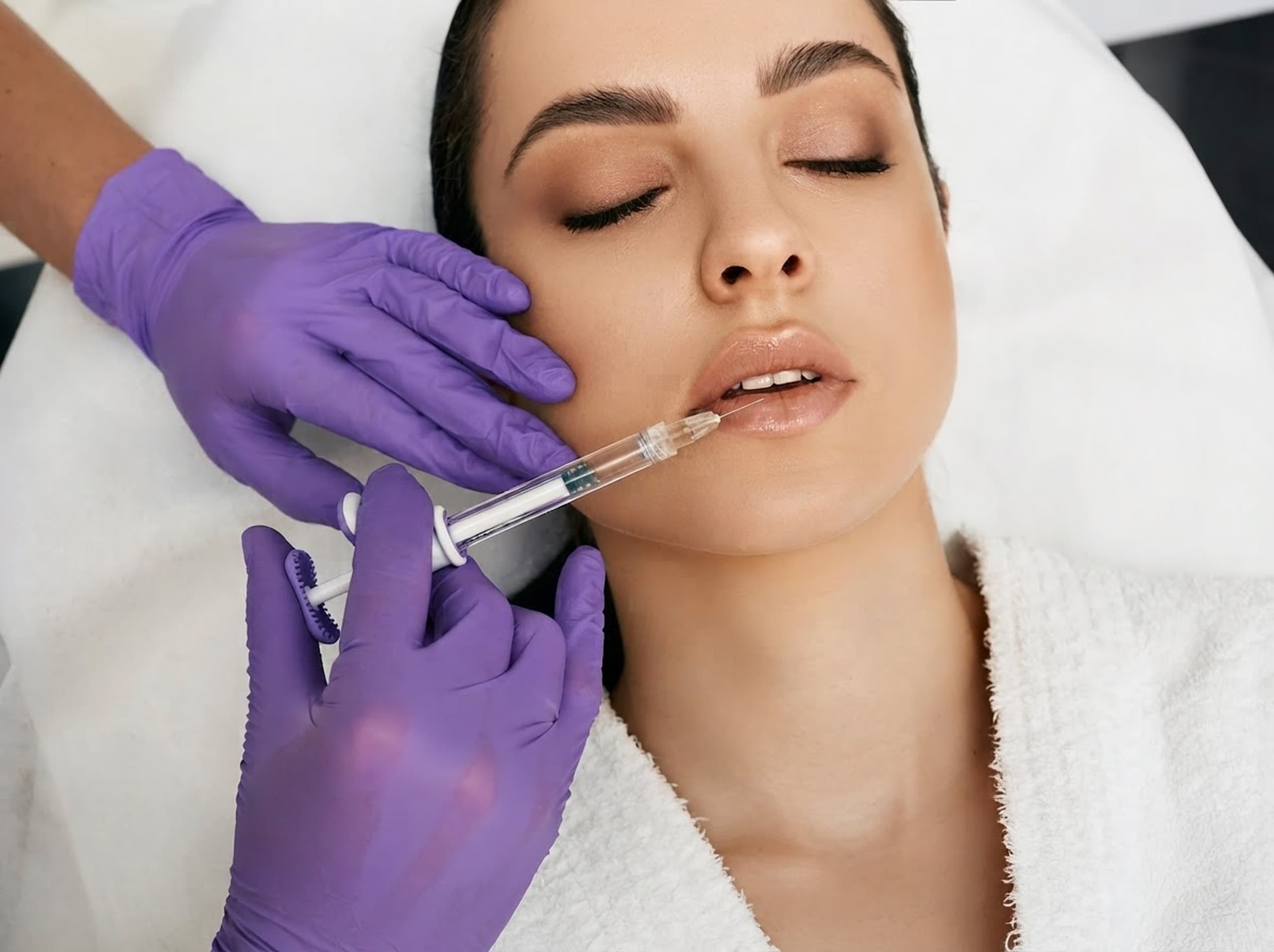
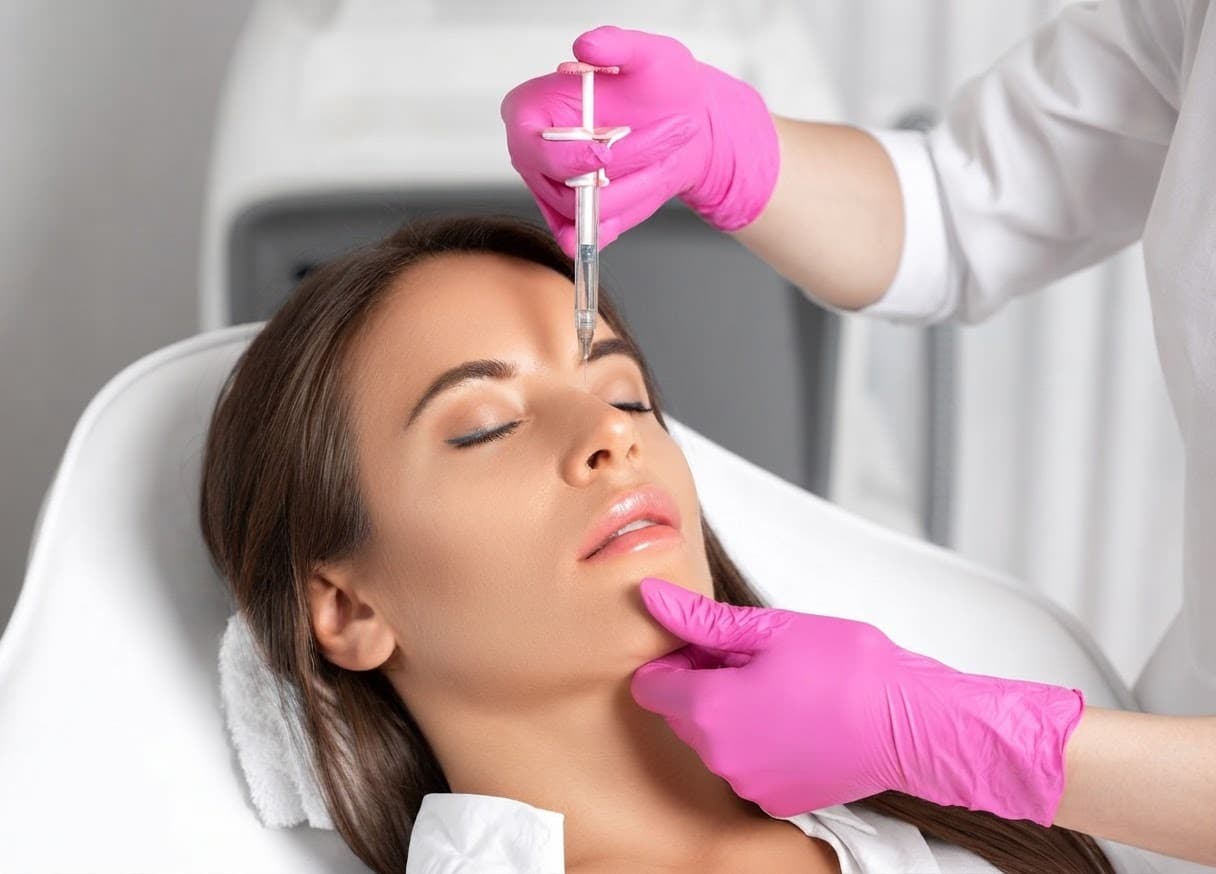
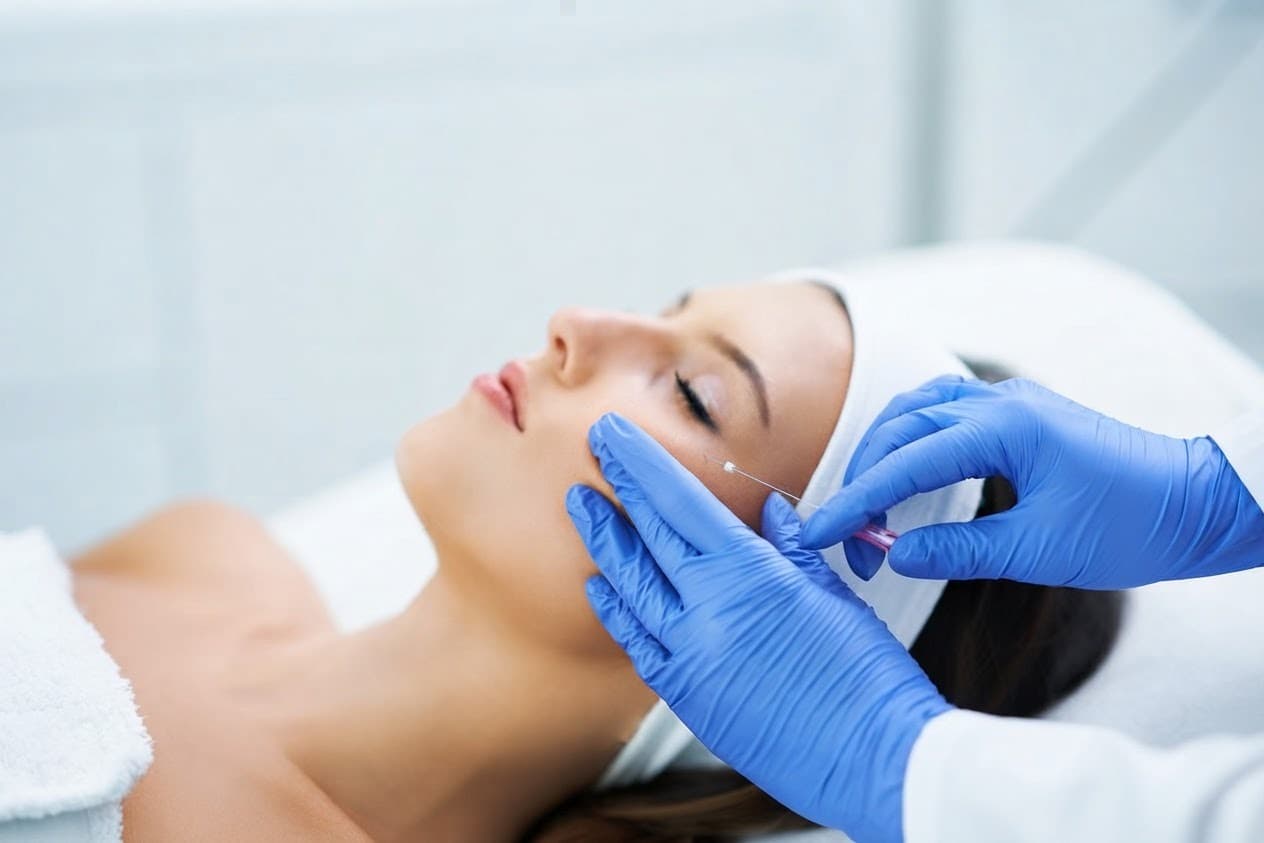
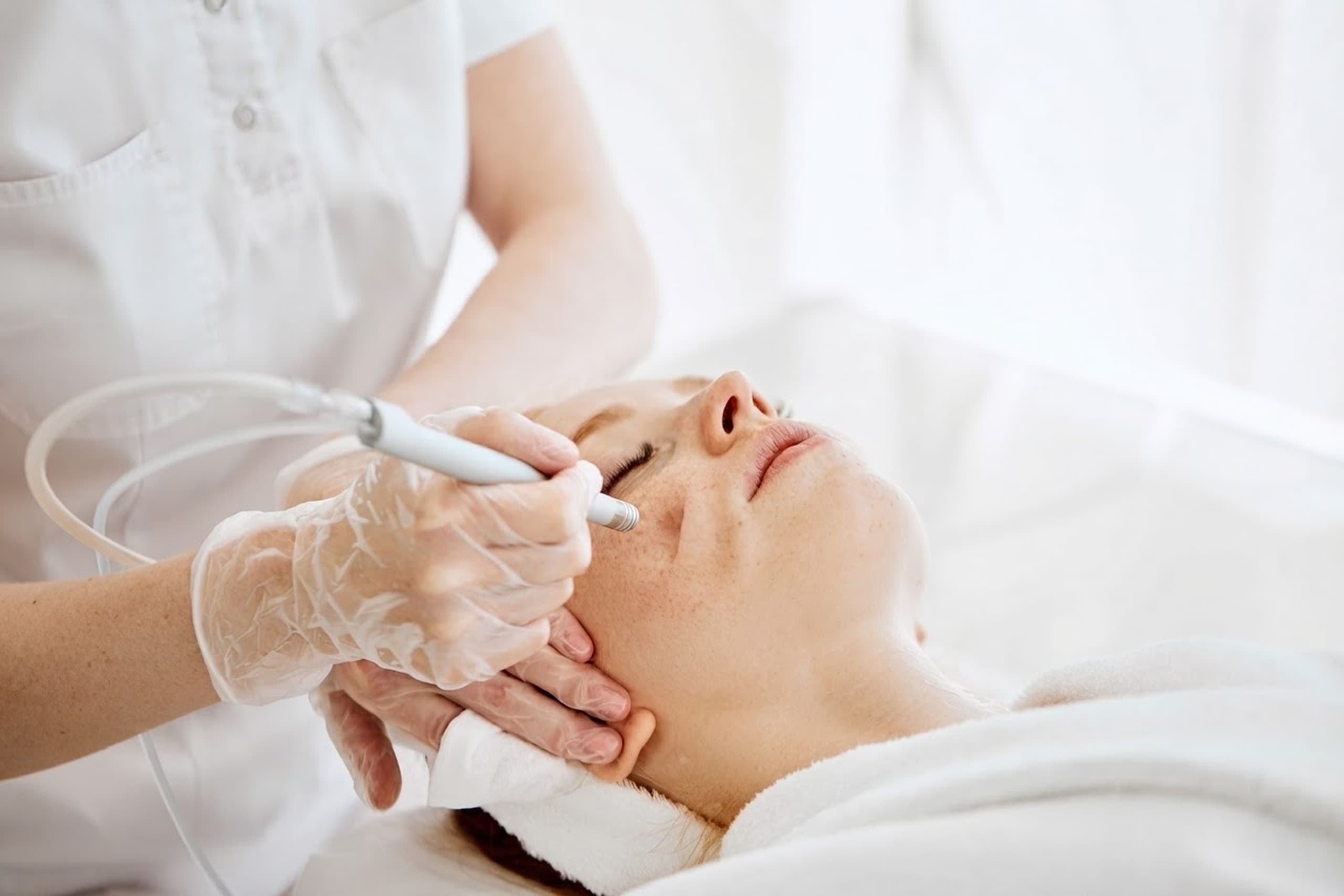
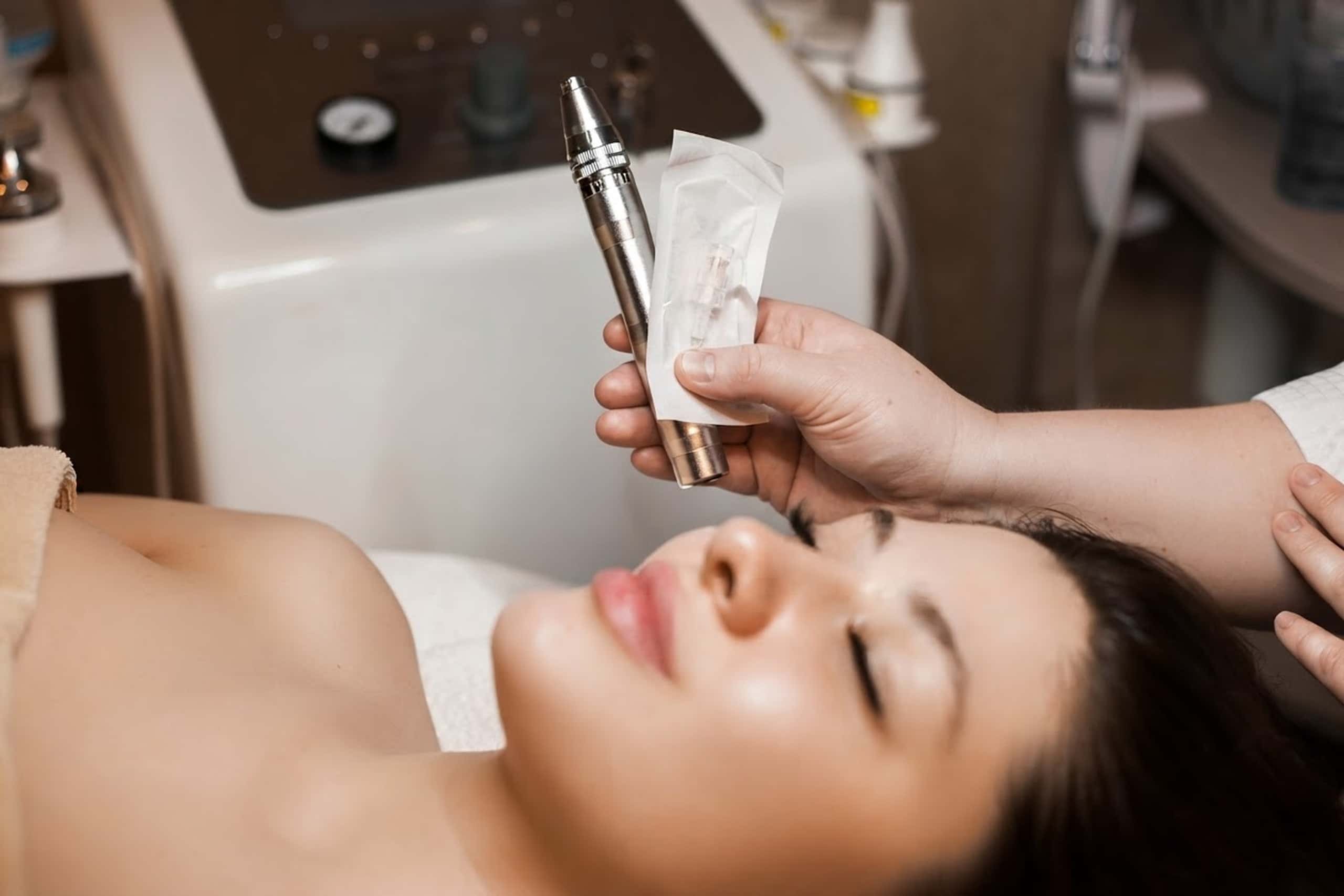
Before the treatment begins, a topical numbing cream is applied to ensure comfort during the procedure. The microneedling device has tiny needles that poke into the skin, making tiny wounds. This helps the skin heal itself.
Radiofrequency RF energy goes into the skin as the needles penetrate. This makes collagen and elastin. This helps improve skin texture, reduce fine lines, and tighten sagging skin. The skin is monitored throughout the session for any discomfort or adverse reactions.
Salicylic acid is often used alongside the microneedling procedure to address early signs of skin issues.
After treatment, they might put on a cooling gel to calm your skin. They'll also give you instructions for aftercare to get the best results.
Read More Read Less
RF Microneedling Procedure: Post-Treatment Care
After the radiofrequency microneedling procedure, proper post-treatment care is crucial to minimize potential side effects.
- Avoid touching or scratching the treated area for the first few days to prevent infection and stimulate proper healing.
- Use gentle skincare products your provider recommends to keep your skin clean and moisturized.
- Protecting your skin from sunbathing is vital, so apply sunscreen with SPF 30 or higher daily.
- Avoid harsh skincare products or treatments, such as chemical peels or exfoliants, for at least a week afterward to prevent irritation and allow the skin to heal correctly.
- If you experience discomfort or notice any unusual signs, such as redness, swelling, or itching, contact your healthcare provider promptly.
- Follow any specific instructions provided by your aesthetic specialist regarding follow-up appointments or touch-up sessions to maintain the results of your treatment.
Proper post-treatment care allows you to enjoy smoother, firmer, and healthier-looking skin after RF microneedling. While most patients notice improvements after one treatment, multiple sessions may be recommended to achieve the desired results.
Additionally, touch-up sessions may be scheduled as needed to maintain the benefits of the treatment over time. Overall, RF microneedling offers a safe and effective solution for achieving smoother, firmer, and healthier-looking skin.
Read More Read Less
Benefits of RF Microneedling Treatment Area
- Radiofrequency microneedling offers numerous benefits for improving skin health and appearance. It benefits individuals with severe skin conditions, promoting skin healing and rejuvenation.
- One of the benefits of RF microneedling is its ability to promote cell regeneration.
- By stimulating elastin production, it helps improve elasticity and firmness, reducing the appearance of fine lines and wrinkles.
- During a microneedling session, a local anesthetic is often used to minimize discomfort, making the procedure more comfortable for individuals undergoing chemotherapy or have other medical conditions.
- Overall, microneedling treatment can benefit anyone looking to enhance their skin’s texture, tone, and overall health, regardless of their specific skin concerns or medical history.
- Rf microneedling has shown promise in promoting skin healing even for severe skin disease. With a microneedling session, your skin can heal faster and more effectively.
Comparing RF Microneedling with Other Treatments
Radiofrequency Microneedling vs. Traditional Microneedling
There are fundamental differences when considering RF versus Traditional Microneedling for treating acne scars or uneven texture.
RF microneedling utilizes radiofrequency waves to deliver heat energy deep into the skin, stimulating collagen production and promoting healthy new skin. This advanced technology allows for more precise and controlled treatment, making it suitable for individuals with severe skin conditions, poor wound healing, or hypertrophic scarring. Additionally, RF microneedling typically requires fewer sessions to achieve desired results than traditional.
On the other hand, traditional microneedling involves:
- Using microneedling devices with tiny needles to create micro-injuries in the skin.
- Promoting collagen induction therapy and improving wrinkles, stretch marks, and acne scars.
While both treatments can improve skin quality and appearance, Radiofrequency microneedling may offer more significant and long-lasting results with fewer sessions.
However, factors such as skin type and treatment goals should be considered when determining which option is best for you.
Radiofrequency Microneedling vs. Laser Therapy
There are distinct differences when comparing RF microneedling with Laser therapy for addressing skin concerns like acne scarring.
RF microneedling treatment utilizes radiofrequency energy delivered through tiny needles to stimulate collagen production and promote skin healing. This approach is beneficial for individuals with severe skin conditions, as it minimizes the risk of skin infection and allows for more precise treatment targeting.
Additionally, RF microneedling is suitable for all skin types and tones, even those with a history of radiation therapy or sunbathing.
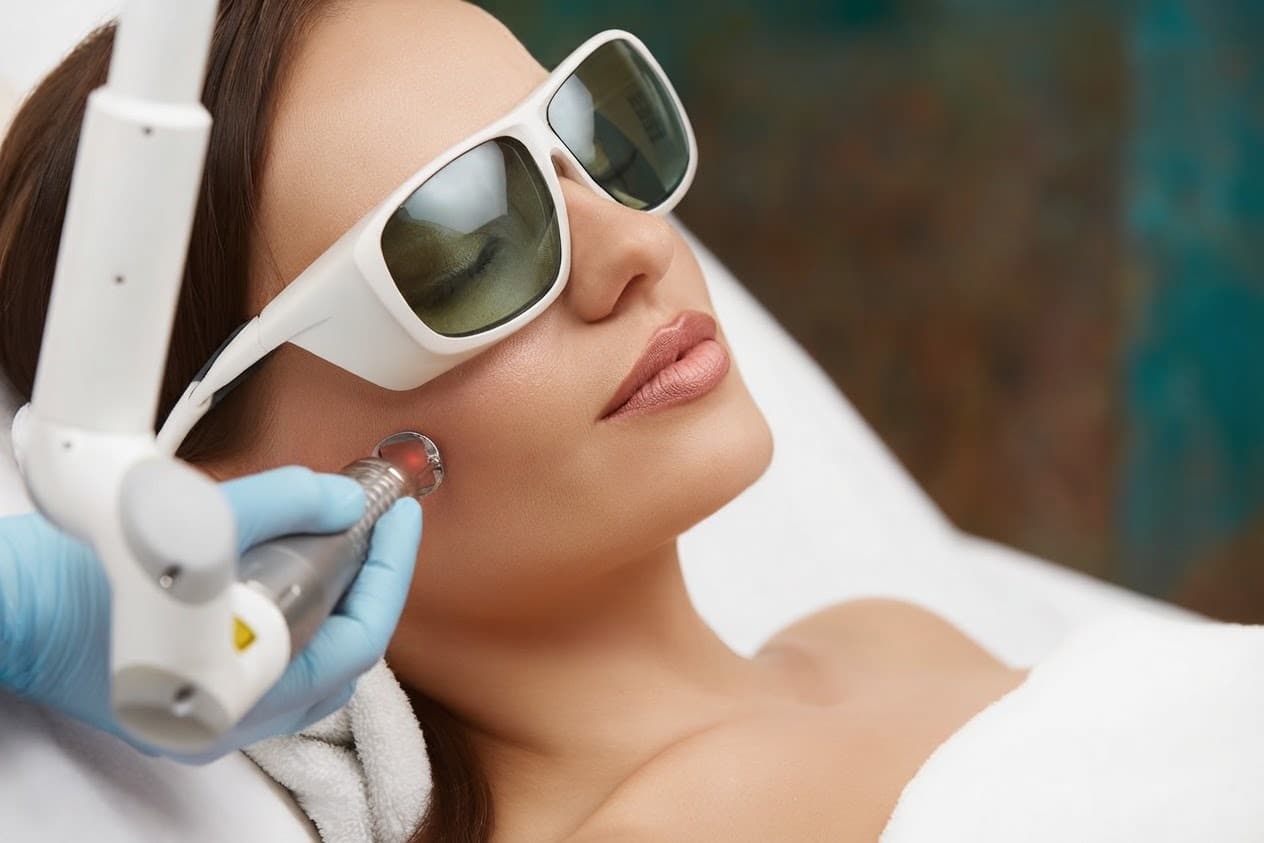
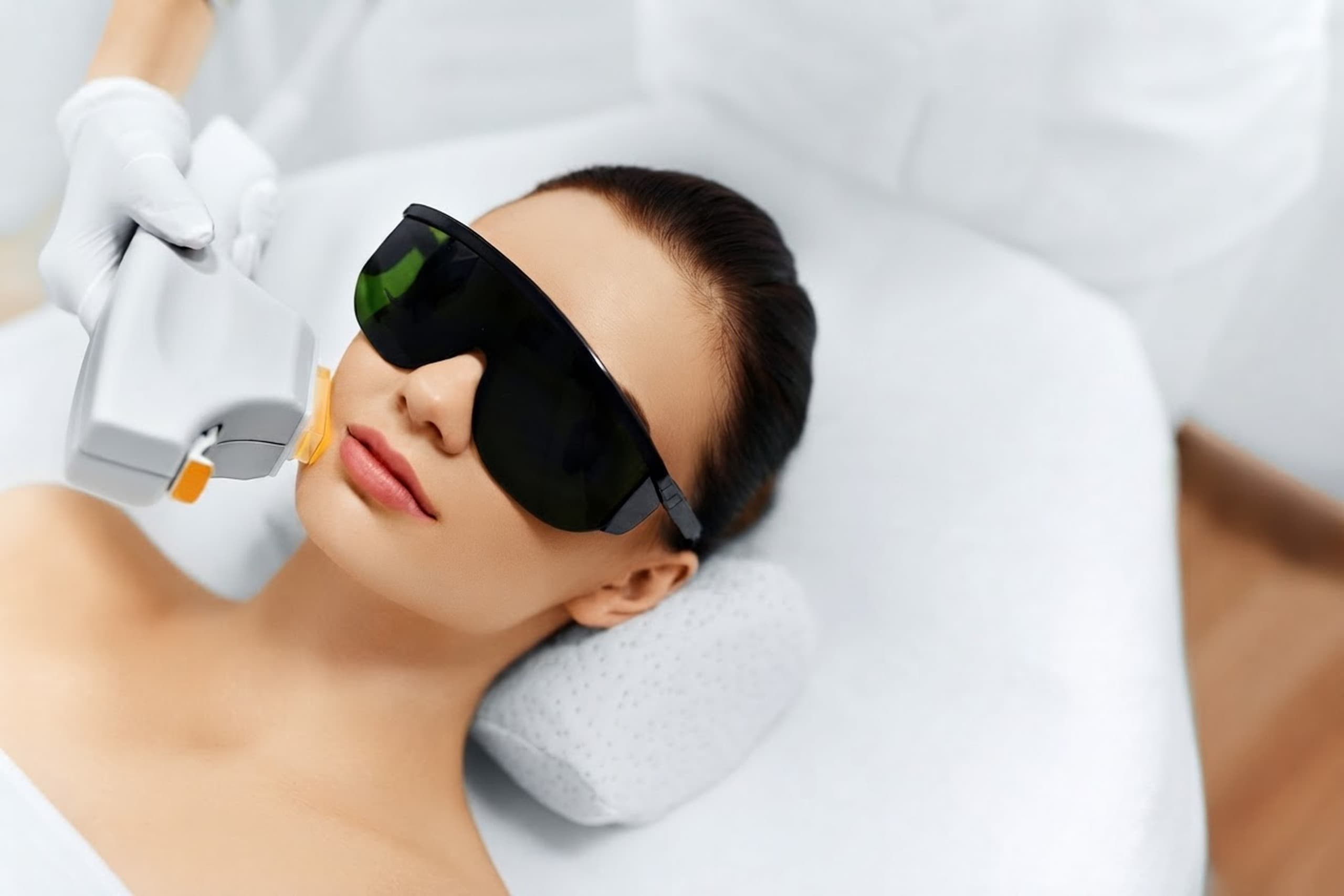
On the other hand, laser therapy involves using concentrated beams of light to target specific areas of the skin, which may be less effective for treating deep scars or improving overall skin look.
While both treatments can improve wrinkles and enhance skin appearance, RF microneedling may offer more natural-looking results with fewer sessions needed.
Read More Read Less
Safety and Side Effects of RF Microneedling
There are some factors to consider, especially for those taking blood-thinning medication. Radiofrequency microneedling may cause mild side effects such as:
- Temporary redness
- Swelling or sensitivity in the treated area.
These side effects typically subside within a few days and can be managed with a topical anesthetic or cold compress.
Individuals undergoing chemotherapy should consult with their healthcare provider before experiencing Radiofrequency microneedling to ensure it is safe and appropriate for them.
This procedure offers minimal downtime and can be performed on the entire face or specific areas. It’s essential to follow post-treatment instructions provided by healthcare specialists to minimize the risk of complications and ensure optimal results.